Skipped the Gutter Cleaning on a Rental? Where a Deductible Repair Turns Into a Capitalized One
On a rental property, deferred gutter cleaning does not just cost more later. It changes the tax character of the work, and the proof you need years afterward.
Douglas Mackenzie1,248 words
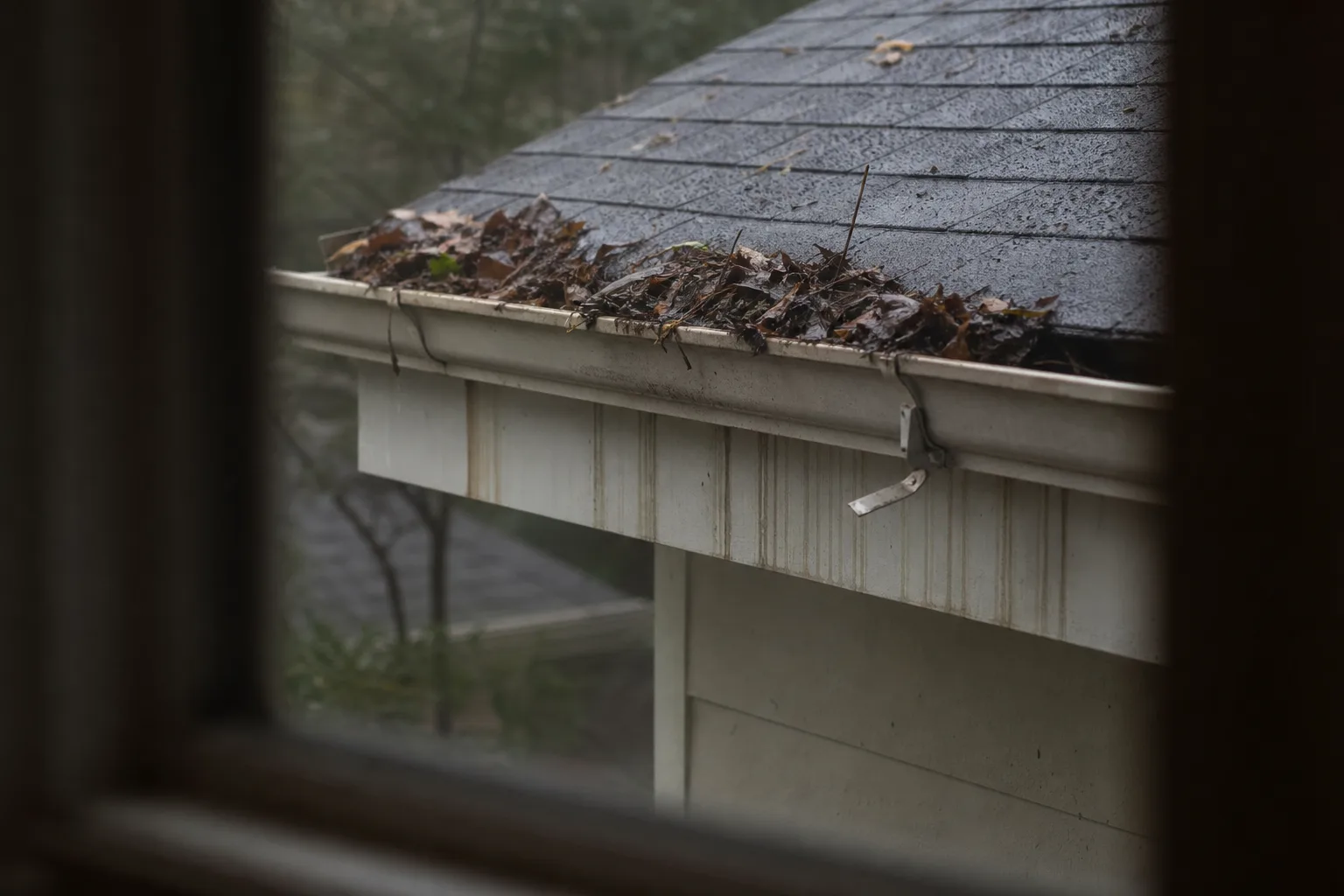
Take one narrow case and follow it all the way through: the gutters on a small rental house, cleaned every fall for years by the same two-man crew, then skipped for three seasons because the tenant never complained and the invoice always felt optional. The physical outcome of that skip is well understood by anyone who has replaced a fascia board. The tax outcome is less understood, and it is the part that cannot be fixed retroactively. Deferral does not simply move a cost forward. It changes what the cost is, how it is claimed, and what you must be able to show an examiner years after the crew has gone.
The assumption that deferral is tax-neutral
The common belief among small landlords is that maintenance is maintenance: whether you pay for cleaning now or a repair later, the money leaves the same account and lands on the same schedule as a rental expense. Under that assumption, skipping a fall cleaning is a cash-flow decision with no downside beyond a bigger bill eventually. What is actually true is narrower and less forgiving. The Internal Revenue Service draws a line between amounts paid to keep a building in ordinary operating condition and amounts paid to better it, restore it, or adapt it to a new use, and the second category is capitalized rather than deducted in the year you write the check.
That line is not drawn by the size of the invoice alone. It is drawn by what the work did to the property. Clearing debris from a gutter run keeps a system doing the job it was installed to do. Replacing a rotted fascia, resheathing a corner of roof deck, and rehanging forty feet of gutter on new hangers is a different characterization, because it replaces a part of the building structure that had deteriorated to the point of no longer functioning. The first is a current deduction. The second is recovered over a period measured in decades.
What three skipped seasons actually do to the gutter line
The sequence matters because the tax result tracks it. Season one leaves a packed trough that holds water instead of moving it, and the standing weight begins to pull hangers out of alignment. Season two sends overflow behind the gutter and down the fascia, where paint fails first and end grain at the joints starts taking water. By season three the fascia is soft at two or three points, the drip edge is doing nothing, and the roof deck along the eave has begun to darken. Nothing here is dramatic. It is one component failing quietly and taking the next one with it.
At the end of season one, the fix is a cleaning and possibly two hangers, and no reasonable reading of the rules makes that anything other than a deductible repair. At the end of season three, the contractor's estimate reads as carpentry: tear off, replace framing members, replace decking, new drip edge, new gutter. That scope is the definition of restoring a structural component that has fallen into a state of disrepair. The money is the same money. The line on the return is not, and you no longer get to choose.
Where the characterization flips, and the two safe harbors that sit before it
Before you reach the betterment and restoration tests, two provisions can settle a small invoice cleanly, and both of them reward doing the work on schedule. The first is the de minimis safe harbor, which lets a taxpayer expense amounts below a dollar threshold set in the regulations, provided the amount is charged to expense on your own books and the invoice supports the treatment. The second is the routine maintenance safe harbor, which covers recurring activities you reasonably expect to perform more than once over a defined period after the building is placed in service, specifically to keep it in ordinary efficient operating condition.
Read that second one closely, because a gutter cleaning performed every fall is almost the textbook illustration of it, and a gutter and fascia rebuild performed once in twenty years is almost the textbook illustration of what it excludes. The safe harbor is built on recurrence. A pattern of annual cleaning is what makes the expectation reasonable, and the pattern is evidenced by your own invoices. Skip three years and you have weakened the very fact that would have carried the deduction, at the same moment you have enlarged the scope of work past the point where the safe harbor could apply.
There is a second-order consequence worth naming. Capitalized work is not lost; it is added to the property's basis and recovered through depreciation, and if it replaces a component you can sometimes make a partial disposition election for what came out. But the recovery is slow, the election has to be made on a timely filed return, and a deduction deferred across many years is worth less than the same deduction taken now. For an owner-occupied house with no rental or home office use, neither treatment produces a current deduction at all, and the capitalized amount matters only through basis when you sell, which makes the receipt file the whole of your position.
The records that have to survive the examination
The document that decides this is the contractor's invoice, and most invoices are written to get paid rather than to describe work. Ask for scope language that says what was done and to what: cleaned and flushed gutters, reset four hangers, no material replacement. If the crew did replace a section, ask for that broken out as its own line with its own price rather than folded into a single lump sum, because an undifferentiated total pulls the whole amount toward capitalization when nobody can prove which part was cleaning.
Keep the annual cleaning invoices as a run, in date order, for as long as you hold the property, not just for the ordinary lookback period on a return. The reason is that they establish recurrence for a safe harbor claimed in a later year, and they establish that the fascia work you eventually capitalized was not the result of a decade of ignoring the building. Photographs dated by the file metadata are cheap and unusually persuasive. So is a one-page written capitalization policy, adopted before the tax year begins, which the de minimis election generally presupposes for a taxpayer with an applicable financial statement and remains good practice for everyone else.
One filing point cannot be undone. Elections attached to a return are made by filing, and the return that carries them is the timely filed one for the year the work was performed. If you capitalize what should have been expensed, or miss a partial disposition election, the correction route runs through an accounting method change or an amended return rather than a quiet adjustment next spring. That is the step where the sequence stops being reversible, and it is the argument for booking the fall cleaning as a standing item instead of an annual judgment call.
The useful reframing is that a recurring maintenance schedule is doing two jobs at once. It keeps the eave dry, and it manufactures the evidentiary record that keeps the spending on the fastest line available to you. A crew on the calendar every October, an invoice that describes the work in plain terms, and a folder that never gets thinned: that is the whole apparatus, and it costs less than the carpentry it prevents.