Giving Away Surplus Food? The Records Have to Exist Before the Van Leaves
Donation deductions, organics rules and hauler fees all turn on paperwork created at the moment food changes hands, not months later at filing time.
Douglas Mackenzie816 words
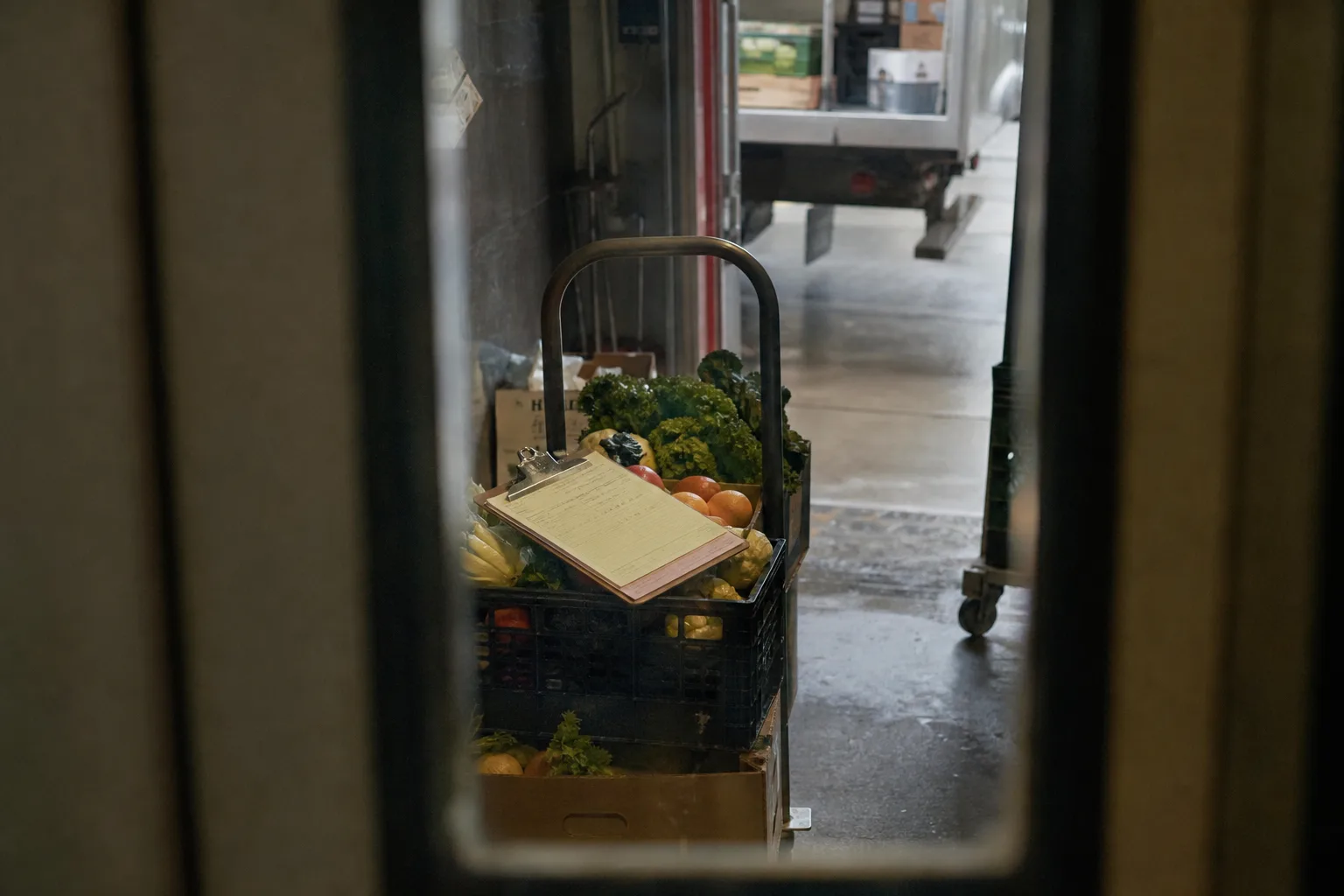
Food that goes out the back door has three possible destinations, and each one carries a different paper trail: the trash, the organics cart, or a charity that will sign for it. The order matters, because the documentation that supports a deduction has to be created at the handoff, not reconstructed in March. Once a pallet of surplus produce is in someone else's cooler and the driver is gone, the chance to weigh it, photograph it, and get a signature is gone with him. That is the step that cannot be undone.
The deduction exists only if the acknowledgment does
For a business with inventory, donated food can produce a charitable contribution, and the rules governing it are administered by the Internal Revenue Service, which oversees substantiation for noncash gifts. The mechanics are unforgiving in sequence. A single donation above a modest threshold requires a contemporaneous written acknowledgment from the organization, obtained before the return is filed. Noncash gifts past a higher threshold pull in Form 8283, and larger claims require a qualified appraisal. None of those documents can be manufactured later from a vague recollection of two cases of chicken and some bread.
What makes food donation harder than a box of office chairs is that the asset is perishable and the valuation depends on facts nobody records by instinct. Cost basis, fair market value, quantity, condition, and date all belong on the same slip of paper, signed by someone at the receiving charity who is authorized to sign. The practical fix is a two-part carbon form kept by the walk-in door, filled out while the food is still on the dock. One copy travels with the food. One stays in the folder.
Your ZIP code decides what counts as waste
Several states and a growing number of cities now require large generators of food scraps to separate organics from trash, and the definitions vary enough that two restaurants forty miles apart can face opposite obligations. Thresholds are set by weight per week, by business type, or by distance to the nearest composting facility, and some ordinances exempt operators who divert through donation instead. Hauler pricing follows the rule. Where organics collection is mandated, the separated stream is often cheaper per ton than mixed refuse, which turns a compliance burden into a line item that falls.
That variation is the reason a national checklist is close to useless here. The three documents worth pulling before you change anything are your municipality's solid waste ordinance, your current hauler contract with its tonnage and surcharge schedule, and any county composting or digester program terms. Read them in that order, because the ordinance sets the floor, the contract sets your cost, and the county program sometimes offers subsidized carts, training, or a rebate that only applies if you enroll before you start diverting rather than after.
Household waste is not deductible, and the records still pay
A home cook's wasted groceries produce no tax benefit, and no amount of careful logging changes that. The payoff sits in a different column. Mileage driven for a qualified charity, including runs to a food pantry with a gleaned crate of tomatoes, is potentially deductible at the charitable rate for taxpayers who itemize, which means a simple date, destination, and odometer note in a notebook in the glove box is the whole system. Cash donations to the pantry follow the ordinary receipt rules. Food given directly to a neighbor is generosity, not a gift the code recognizes.
Where household paperwork earns its keep is at the municipal level. Curbside organics programs frequently come with a cart fee, a bin rebate, or a backyard composter voucher, and those offers tend to require proof of address, a service account number, and sometimes a receipt from an approved vendor. Keep the vendor receipt even after the rebate clears. If the program is later audited or the account is transferred with a home sale, the purchase record is the only thing that establishes when the equipment entered service.
The folder that still makes sense in three years
Retention is the quiet part. Contribution substantiation should survive as long as the return it supports remains open to examination, which for most filers means several years past the filing date, longer if basis or carryforwards are involved. A donation carryforward keeps the original acknowledgment relevant well beyond the year of the gift. Scan everything, name the files by date and recipient, and keep the paper originals of anything bearing a signature. A photograph of a signed form on a phone that has since been replaced is not a record.
Build the folder before the first diversion, not after. The habits that reduce waste, weighing what leaves, logging where it went, reading the local ordinance once and properly, produce their own evidence as a byproduct, and that evidence is what stands up when someone asks about it years later.