A Flat Fee, Three Tasks, and the Easement Under a New Garage Pad
A seller was quoted a flat fee to clear a recorded easement crossing her new garage pad, and the quote covered three named tasks rather than the outcome she wanted.
Anneliese Brandt1,257 words
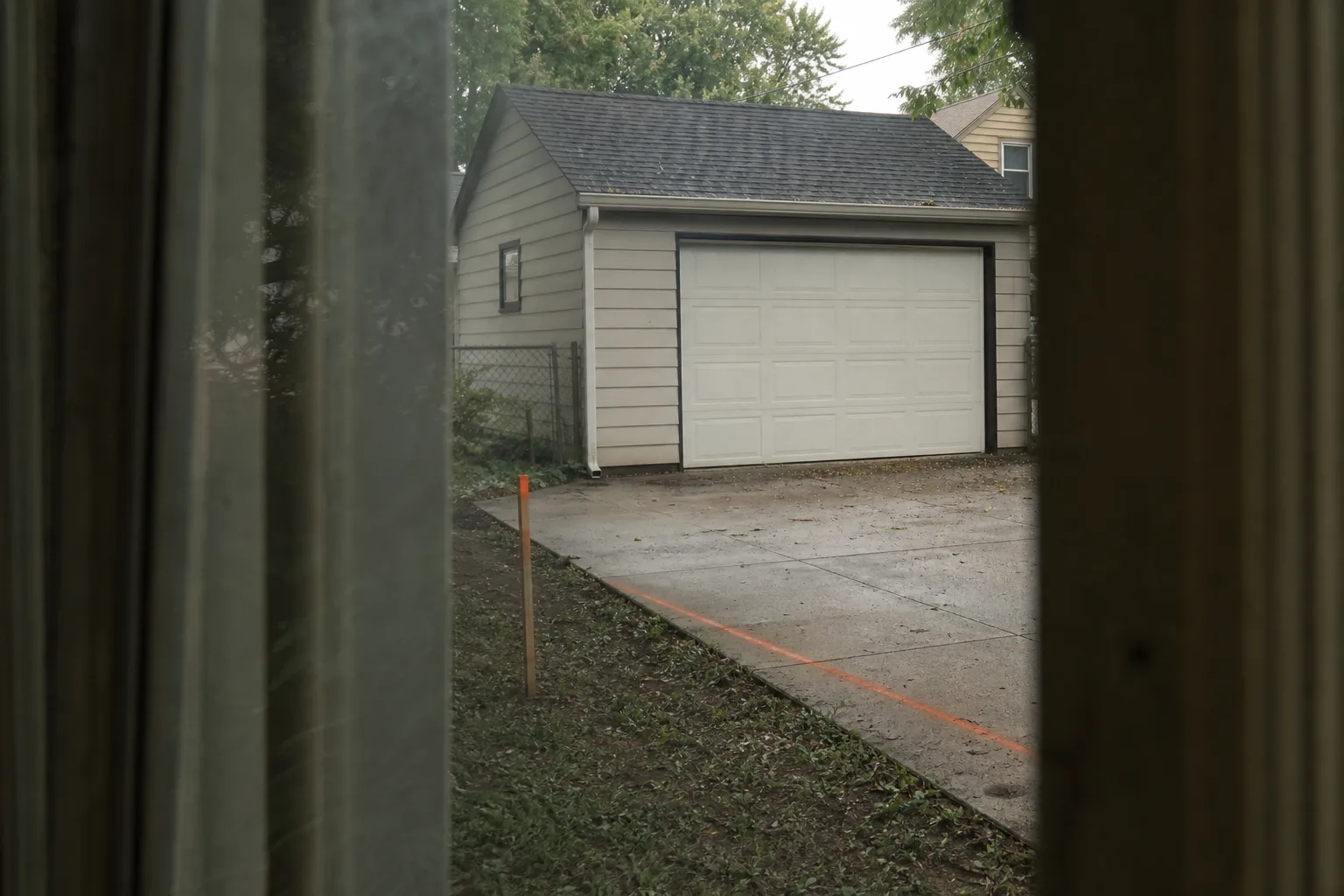
A four-figure flat fee sounds like a price for a problem. In the case worth walking through here, it was a price for three named tasks, and the distinction decided everything that followed, including whether the seller closed on schedule. The problem was a utility easement recorded decades earlier, running diagonally across a rear lot, and a detached garage poured the previous spring squarely across part of it. The owner found out during pre-listing title work rather than after an offer, which turned out to be the single most valuable thing about the whole sequence.
The quote covered three tasks, not the result she wanted
The engagement letter named what the attorney would do: pull and review the recorded instrument and the chain of title, write to the utility requesting a consent or a partial release, and prepare and record whatever document the utility agreed to sign. That is a scope of work. It is not a promise that the garage stays where it is, and it is not a fee for clearing the title, because clearing the title depended on a third party nobody in the room controlled. The letter said so in plain terms, which is a change from how these were written a decade ago.
What the seller had asked for, in her own words, was a clean title commitment. What she bought was three defined steps toward one. The gap between those two sentences is where most fee disputes over legal work actually live, and it is why the sequence matters more than the number. She could have spent the same money on a broader scope, or on an hourly arrangement with no ceiling, and either would have been defensible. She would simply have been buying something different, and she needed to know which before she signed.
The letter also stated what fell outside: any court filing, any negotiation with an adjoining owner, any work triggered by the utility asking for engineering review. Each of those was priced separately and none of them was hidden. A scope exclusion read in advance is a budgeting fact. The same exclusion read for the first time in a bill is a grievance, and the drafting practice has moved toward the first version deliberately.
What changed in the paperwork, and why it changed
Two shifts in state professional conduct rules over recent years shaped this engagement letter. The first is the spread of limited scope representation, formally permitted in most states now, which lets an attorney contract for a defined task rather than for a whole matter. That is what made a task-priced quote available to a homeowner who did not want to fund an open-ended file. The second is the tightening of how advance flat fees are handled, with a growing number of jurisdictions requiring that such fees sit in a client trust account and be drawn down as work is actually performed.
The practical effect on the seller was concrete. Her flat fee was earned in stages tied to the three tasks, and if the utility had refused to engage after the title review and the letter, the unearned portion was refundable rather than gone. That structure exists because bar regulators concluded that calling a fee nonrefundable at the outset let the label do work the facts had not earned. The rule change moved the risk of a matter ending early back toward the firm, which is where the ability to estimate the work sits.
There is a consumer-protection layer above the state rules as well. The Federal Trade Commission is responsible for policing deceptive and unfair pricing claims in consumer advertising generally, and the pressure it has applied to fees disclosed late in a transaction has shifted expectations across service industries, legal work included. The direction of travel is the same everywhere: the number a buyer is shown first should be the number that governs, and anything that can enlarge it should be named up front rather than mentioned once the work is underway.
The second invoice, and why it was not a surprise
The utility did respond, and it asked for a boundary survey showing the garage footprint against the easement centerline before its own real estate group would consider a partial release. That survey was a third-party cost, ordered in the seller's name, billed by the surveyor. So was the county recording fee, and so was a modest administrative charge the utility levied for reviewing the request. None of those touched the attorney's flat fee, because the engagement letter had listed disbursements and third-party costs as a separate category with an estimate range rather than a fixed figure.
Reading a legal quote well means sorting it into three buckets before agreeing to anything: the fee for the attorney's time or tasks, the costs paid to other parties and passed through, and the contingencies that convert task pricing into hourly work. In this file the third bucket was the one that mattered most, because if the utility had refused the partial release, the next step would have been a quiet title action, and that was priced hourly with a retainer. Knowing that in advance let the seller set a decision point rather than discover one.
She set it plainly: if the release was not signed within a stated number of weeks, she would list with the encroachment disclosed and price accordingly. That was the whole value of understanding what the fee was quoted against. The fee bought three tasks, the tasks bought information, and the information let her choose between two exits instead of funding an open-ended fight because it had already started.
What the buyer eventually saw, and what he never did
The release came through, narrowed rather than complete: the utility gave up the strip under the slab and kept the rest, with a recorded amendment describing the new boundary. The buyer's title commitment showed one additional recorded instrument, and his attorney read it in about a minute. He never saw the survey invoice, the utility's review charge, the four weeks of silence, or the decision point the seller had written on a legal pad. He saw a garage that sat legally where it stood, which is what he was paying for.
This is the part sellers underestimate. An improvement built over a recorded easement adds very little to a sale price while the encroachment is live, because a lender's title insurer will flag it and the appraisal conversation gets complicated. Once the amendment is recorded, the same structure appraises as a detached garage, full stop. The legal work did not build anything. It converted an asset that showed up as an exception on a title commitment into one that showed up as square footage, and that conversion happened before the listing rather than during the inspection period.
Had the same facts surfaced after an offer, the seller would have been negotiating under a contract clock, with a buyer entitled to walk and an attorney working hourly against a deadline. The task-priced route was available precisely because there was time to define tasks. That is the sequencing lesson underneath the fee question, and it is the reason pre-listing title work earns its cost even when it turns up nothing.
Ask any quote the same three questions before signing: what specific acts does this cover, what third-party costs sit outside it, and what event converts it into hourly billing. An attorney working under current engagement rules will already have the answers written down, which makes the conversation short and the file predictable.